Unlock Freshness: The Health Benefits of Homemade Apple Juice
There's nothing quite like the crisp, refreshing taste of a glass of apple juice. But beyond quenching your thirst, choosing homemade apple juice over its store-bought counterparts offers a cascade of health benefits that make the effort truly worthwhile. When you embark on the journey of creating this delicious beverage yourself, you gain complete control over its purity, freshness, and nutritional potency. This guide will not only delve into the remarkable health advantages but also touch upon how incredibly simple it is to learn
how to make apple juice right in your own kitchen. Prepare to transform humble apples into a liquid gold that nourishes your body and delights your palate.
Why Homemade Reigns Supreme: Ditching the Store-Bought Compromises
While convenient, commercially produced apple juice often comes with a hidden cost to your health. Many brands are laden with ingredients that dilute their nutritional value and introduce unnecessary elements into your diet. Here’s a closer look at why making apple juice at home is a superior choice for your well-being:
- Zero Additives or Preservatives: Commercial juices frequently contain artificial flavors, colors, high-fructose corn syrup, and preservatives designed to extend shelf life. Homemade juice is pure, unadulterated apple goodness, free from any chemical concoctions. You're consuming exactly what nature intended.
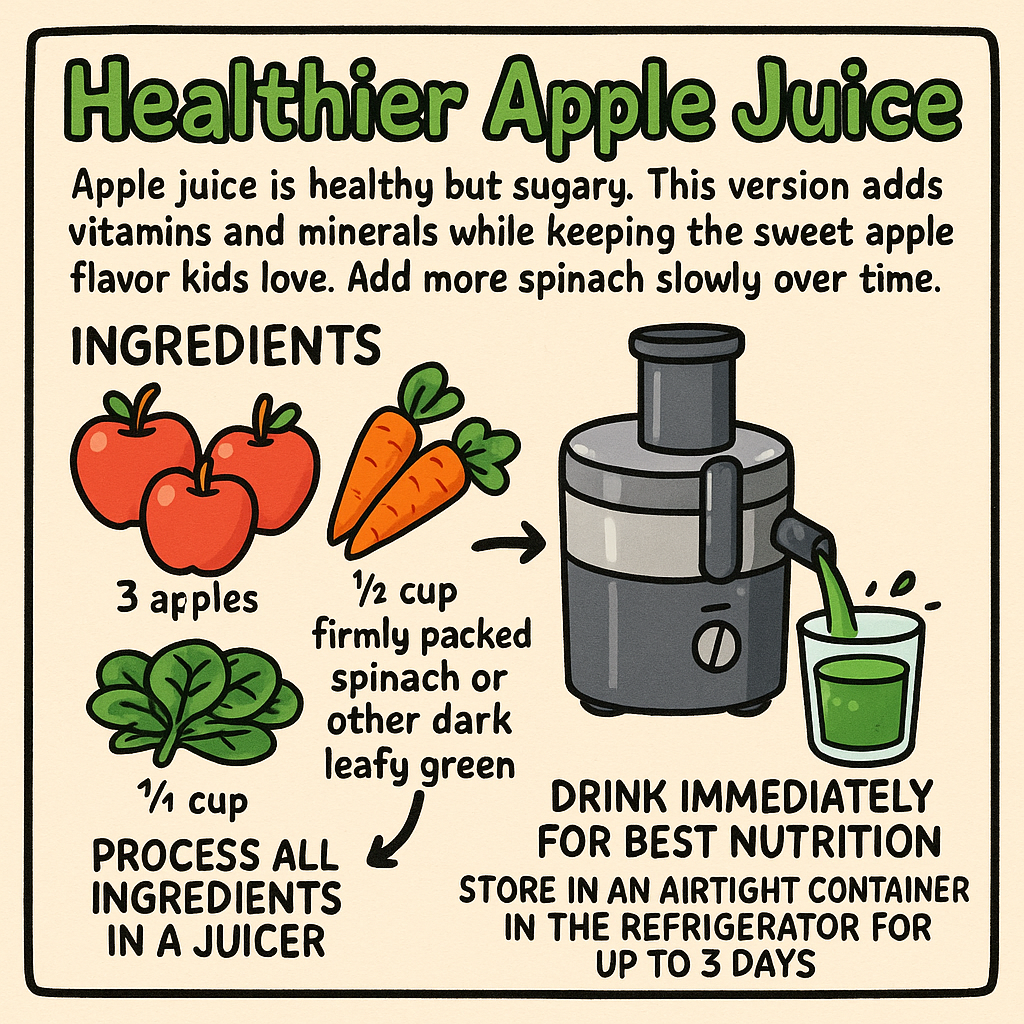
- Customizable Flavor Profiles: Ever wished your apple juice had a hint of spice or a zesty kick? With homemade juice, you are the master chef. Experiment with different apple varieties – Granny Smith for tartness, Fuji or Gala for sweetness, or a blend for balance. You can also infuse flavors like fresh ginger, cinnamon sticks, a squeeze of lemon or lime, or even blend in other fruits like berries or carrots for added nutrients and complexity.
- Peak Freshness and Nutrient Retention: Store-bought juices often undergo pasteurization and other processing methods that can degrade heat-sensitive vitamins and antioxidants. Freshly pressed homemade juice retains a significantly higher concentration of these vital nutrients, delivering them to your body in their most potent form. The minute you press it, you're locking in maximum goodness.
- Better Blood Sugar Management: Many commercial apple juices contain substantial amounts of added sugars, which can lead to rapid blood sugar spikes. Homemade apple juice relies solely on the natural sugars present in the fruit, which are accompanied by natural fiber (especially if you choose a less strained method), leading to a gentler impact on your glucose levels.
- Eco-Friendly Choice: Opting for homemade juice significantly reduces your carbon footprint by cutting down on packaging waste from single-use plastic bottles and cartons. It's a small step that contributes to a healthier planet.
- Cost-Effectiveness: Per serving, making juice at home can often be more economical, especially when apples are in season or purchased in bulk. A few fresh apples can yield a surprising amount of delicious juice, saving you money in the long run.
The Power of the Apple: Unpacking the Health Benefits of Your Homemade Brew
Beyond the general advantages of homemade over store-bought, the apples themselves are nutritional powerhouses. When you drink homemade apple juice, you're tapping into a wealth of specific health benefits:
- Rich in Vitamins and Minerals: Apples are a good source of essential vitamins, including:
- Vitamin C: A powerful antioxidant that boosts your immune system, helps with collagen production for healthy skin, and aids in iron absorption.
- Vitamin A: Important for vision, immune function, and skin health.
- Potassium: A crucial electrolyte that helps maintain fluid balance, supports nerve signals, and plays a role in blood pressure regulation.
- B Vitamins (like B6): Involved in energy metabolism and brain function.
- Abundant Antioxidants: Apples are packed with potent antioxidants, particularly polyphenols like quercetin, catechin, and chlorogenic acid. These compounds combat oxidative stress in the body, which is linked to chronic diseases such as heart disease, certain cancers, and neurodegenerative conditions. Regular consumption of these antioxidants can help protect your cells from damage and reduce inflammation.
- Hydration Hero: Apples are composed of about 85% water, making homemade apple juice an excellent way to stay hydrated, especially during warmer months or after physical activity. Proper hydration is fundamental for all bodily functions, from metabolism to cognitive performance.
- Potential for Digestive Support: While juicing removes much of the insoluble fiber, apples still contain soluble fiber, particularly pectin. Pectin acts as a prebiotic, feeding beneficial gut bacteria and promoting a healthy microbiome. While less present in highly filtered juice, using a blender method or a less fine strainer will retain more of this valuable fiber, aiding digestion and promoting regularity.
- Heart Health Benefits: The combination of antioxidants (especially quercetin) and potassium in apple juice can contribute to cardiovascular health. Quercetin has been shown to have anti-inflammatory properties and may help reduce the risk of atherosclerosis, while potassium helps manage blood pressure.
- Brain Boost: Some research suggests that the antioxidants in apples, particularly quercetin, may help protect brain cells from oxidative damage, potentially reducing the risk of neurodegenerative disorders and supporting cognitive function.
Crafting Your Own: How to Make Apple Juice at Home
Mastering
how to make apple juice at home opens up a world of fresh flavor and nutrition. The beauty is that you don't necessarily need fancy equipment. There are several straightforward methods, ensuring everyone can enjoy this wholesome drink.
The two most popular approaches involve either a dedicated juicer for speed and clarity or a blender, which is a common kitchen appliance, followed by straining for those without a juicer. Both methods transform fresh apples into a delightful beverage, but with slightly different textures and nutrient retention.
For a detailed, step-by-step guide on
how to make apple juice at home using both juicer and blender methods, check out our comprehensive guide. It breaks down the process into easy-to-follow instructions, ensuring your first batch is a success. Additionally, you can explore even more simple approaches in our article on
easy homemade apple juice: juicer & no-juicer methods, which provides valuable tips for every home cook.
Regardless of the method you choose, the basic principles remain the same: wash your apples thoroughly, cut them into manageable pieces, and extract their delicious liquid. With a juicer, the process is incredibly fast, separating pulp and juice efficiently. The blender method involves blending apples with a little water until smooth, then straining the mixture through a fine-mesh sieve or cheesecloth to separate the juice from the pulp. The result of the blender method is often a cloudier, richer juice, retaining more of the apple's natural fiber.
Tips for the Perfect Homemade Brew & Customization Ideas
To ensure your homemade apple juice is always a hit, consider these practical tips:
- Choose the Right Apples: The type of apple dramatically influences the juice's flavor.
- For a sweet juice: Fuji, Gala, Honeycrisp, Red Delicious.
- For a tart juice: Granny Smith, Braeburn.
- For a balanced juice: A mix of sweet and tart varieties works wonderfully.
Don't be afraid to experiment with different combinations!
- Wash Thoroughly: Always wash your apples well, even if you plan to peel them. Organic apples are ideal for reducing pesticide exposure.
- Optimal Storage: Homemade apple juice is best enjoyed fresh. Store any leftovers in an airtight container in the refrigerator for up to 2-3 days. To preserve nutrients, fill the container to the brim to minimize air exposure. You can also freeze apple juice in ice cube trays or freezer-safe containers for longer storage (up to 3 months), perfect for adding to smoothies or thawing for a refreshing drink.
- Utilize the Pulp: If you're using a juicer, don't discard the leftover apple pulp! It's still packed with fiber and nutrients. You can add it to muffins, bread, smoothies, or even compost it.
- Flavor Enhancements Beyond Apples:
- Spices: A pinch of cinnamon, nutmeg, or a dash of cardamom can add warmth.
- Herbs: Fresh mint or a sprig of rosemary can introduce an aromatic freshness.
- Citrus: A slice of lemon or lime can brighten the flavor and also help slow down oxidation, keeping your juice fresher for longer.
- Veggies: Carrot or beet juice can be blended in for an extra nutritional punch and vibrant color.
- Mind the Temperature: Serve your apple juice chilled for maximum refreshment. You can even add a few ice cubes made from apple juice itself to avoid diluting the flavor.
In conclusion, embarking on the journey of making your own apple juice is a delightful and rewarding experience. It’s a simple act that empowers you to control the ingredients, ditch artificial additives, and savor the purest, most nutrient-dense version of this beloved beverage. From boosting your immune system with Vitamin C to providing a wealth of antioxidants for overall well-being, the health benefits of homemade apple juice are clear and compelling. So, gather your favorite apples, choose your preferred method, and unlock a world of freshness and vitality right in your kitchen. Your body – and your taste buds – will thank you for it!